
Society of Suspects How to Find the Killer
Build evidence chains, run buddy checks, and time accusations before the Society aims.
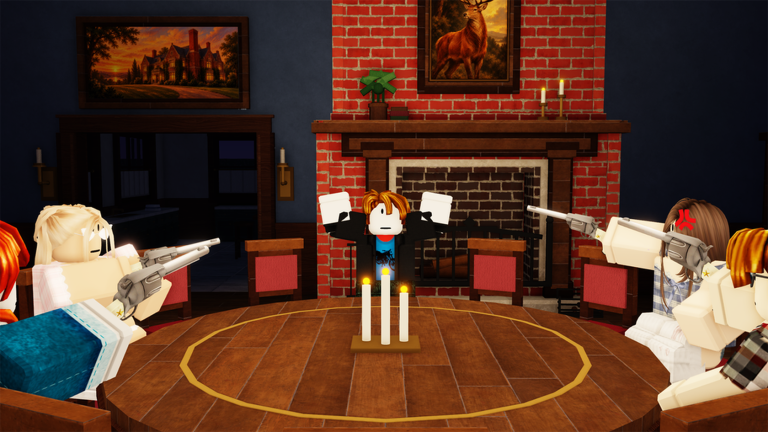
Investigation is its own skill
Surviving lights-out keeps you alive. Voting wisely spends the Society’s shot. Finding the killer is the bridge between those pages: the habits that turn raw fear into a name you can defend. This guide is distinct from How to Survive (stay alive and look trustworthy) and Voting Tips (convert a finished chain into a revolver decision). Here you learn to collect, cross-check, and escalate until the murderer runs out of alibis.
Start from Getting Started if the loop is still fuzzy, skim Roles so Murderer versus Society goals are clear, and use Mansion Map so your “where” statements mean something.
The investigator’s toolkit
1. Last-seen ledger
After every lights-out cycle, update four columns in your head (or notes app between rounds):
| Name | Last room / zone | Last companion | Confidence |
|---|---|---|---|
| ExamplePlayer | Upper stair landing | Solo | Medium |
Confidence rises when a second witness agrees. It falls when the player’s own story drifts. Rank ledger discipline on the Tier List — it is S-tier soft skill.
2. Buddy checks
A buddy check is a deliberate verification, not vibes:
- Pair for one exploration segment.
- Agree on a short route (parlor → hall → foyer).
- After lights return, each states the route once.
- If your buddy vanishes mid-darkness without a sound story, elevate them — or elevate whoever claimed to “protect” them alone.
Rotate buddies across cycles so one murderer cannot farm the same duo forever. Survival page covers pairing safety; this page uses pairing as evidence generation.
3. Evidence chains
A chain links independent facts that point the same direction:
- Fact A: two players saw Suspect leave the east hall as lights died.
- Fact B: Suspect claimed continuous foyer presence.
- Fact C: Suspect arrived late to the headcount with no path.
Alone, each fact is soft. Together they justify a structured accusation. Never pad chains with “they won killer last game” or accent jokes — reset every round.
4. Accusation timing
Too early: you burn social capital and teach the murderer your tells. Too late: the lobby stacks randomly and the shot misses.
Timing rules of thumb:
- Hold soft reads until at least one other player speaks, unless you hold hard contradiction.
- Speak when you can answer who / where / when / why-now in one breath.
- Escalate when a second blackout would likely delete your key witness.
- Wait if the only “proof” is nervous chat spam — pressure them with a path question first.
Controls for not fumbling the vote UI sit on Controls & UI.
Reading murderer tells (without tunnel vision)
Patterns from the Murderer Guide flipped for hunters:
- Over-helpful skepticism that only attacks evidence aimed at them.
- Path stories that skip choke points everyone else must cross.
- Pushing a quiet new player with zero location asks.
- Perfect memory of others’ routes but fog around their own thirty seconds of darkness.
- Camping discussion to filibuster timers instead of answering one clear question.
Any single tell is weak. Two tells plus a location contradiction is a case.
Step-by-step hunt loop
- Pre-lights: note clusters and who peels toward dead ends (Mansion Map).
- Lights-out: protect intel (yourself + buddy); do not chase every footstep into a trap.
- Lights return: headcount, ledger update, one factual chat line if you hold a note.
- Cross-check: ask one targeted question (“Which door did you take out of the parlor?”).
- Build or discard: if answers match witnesses, lower suspicion; if not, draft the chain.
- Society phase: deliver the chain, invite one neutral confirm, then aim per Voting Tips.
- Aftermath: win or lose, rewrite which tell actually mattered — ignore ego.
Buddy-check scripts you can copy
- “Quick check: we both walked glass parlor to stair landing, yes?”
- “Who was on your left when lights died?”
- “You said foyer the whole time — who can confirm?”
Short questions beat essays. Murderers hate binary path checks because lies collide with living witnesses.
When not to accuse
- You have only outfit bias or revenge for a previous round.
- Your key witness already died and no second source exists — state the gap honestly.
- The lobby is about to self-destruct into a pile-on; interrupt with a summary of open questions instead.
- You are relying on out-of-game ghost info or exploits — leave and report; see Scripts.
Teaching energy for new players belongs in Getting Started, not public humiliation.
Practice drills
| Drill | How | Pass condition |
|---|---|---|
| Ledger only | One round with zero accusations until gathering | Four columns filled for five players |
| Single question | Limit yourself to one path question per suspect | You catch one contradiction or clear someone cleanly |
| Chain write | Before aiming, type who/where/when/why in chat | Others can repeat your chain |
| Buddy rotate | New partner each exploration phase | No repeated solo dead-end entries |
| Post-round teach-back | Explain your shot using official context from Links | Friend can restate your evidence |
Between matches, ignore fake promo panic — real code status lives on Codes. Patch-changed discussion windows appear on Updates. Browse siblings from the Guides Hub and high-level facts on Wiki.
Common investigation failures
- Collecting vibes, not locations.
- Never asking a follow-up, then claiming you “knew all along.”
- Accusing the first loud name to feel useful.
- Ignoring the player who refuses every buddy check.
- Winning a vote with a bad chain and learning nothing for the next lobby.
Find the killer with receipts: last-seen notes, buddy verification, multi-fact chains, and accusations timed to protect witnesses. When the lights die again, you will already know which doorway stories to test.
Frequently Asked Questions
Quick answers to the most common questions.
How is this different from Voting Tips?
This page covers gathering and testing evidence before the shot. Voting Tips focuses on speak order, clutch commits, and converting a finished chain into a revolver decision.
What is a buddy check?
A short agreed route with another player, then a post-lights comparison of paths. Mismatches or mysterious separations become investigation leads.
When should I accuse?
When you can state who, where, when, and why-now, ideally with two independent facts. Soft vibes alone should prompt questions, not revolvers.
What if my witness dies?
Say so honestly, hunt a second source, and avoid inventing certainty. Protect living witnesses earlier next cycle by timing accusations before another blackout.
Can I use info from outside the game?
No. Stick to in-experience evidence. Ghosting or exploits ruin lobbies — report and leave instead of building cases on them.